Minnesota Pest Exterminator
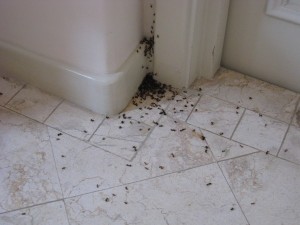 As you close off your home for the winter, shutting up the windows, filling all the nooks and crannies where cold air might seep in, and making your home a warm haven for yourself this season, you may be finding that you’re not the only one taking refuge in your property. If you’ve found that you’re sharing space with unwanted pests, don’t wait for them to find their way back outside or hope that the problem will disappear overnight. Pest problems can get out of hand quickly, and before you know it, you could be looking at an infestation. Rather than risking a pest problem in your home or business that will affect your daily life, why not contact the professional pest exterminators now to rid your property of unwanted pests before they take over your space. At Eco Tech, our Bloomington, MN pest exterminators have the experience and pest control technology needed to completely exterminate pests on your property, making sure that when we leave, we’ve already sent your pests packing.
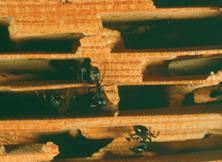 There are many types of ants that can create major problems for your home. Although there are many different types of ants that pose individual issues, there are many common themes can create a huge headache for you and could potentially cause major issues for your residents.
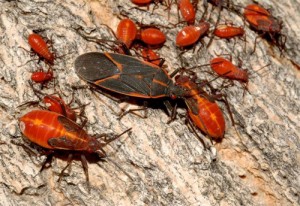 This time of year it is very common to notice an uptick of box elder bugs coming into your home or business. These bugs are trying to find a warm place to live in order to survive the cold Minnesota winter. Box elder bugs measure about 1/2-inch long, and they are mostly black with orange or red markings, including three stripes on the prothorax, the area right behind the head. They do not cause harm to humans or pets but they can stain surfaces inside your home or property with their excrement. Eco Tech, a leading
  There are many varieties of wasps that inhabit Minnesota, and the ones that usually become pests are those that live in colonies. In wasp colonies, female wasps are dominant and perform all duties within the nest. Some wasps are predatory wasps and others are parasitic. Predatory wasps kill and consume other insects as well as other animals. Parasitic wasps lay their eggs in a host body, usually creatures like caterpillars and spiders. Wasps can assist in the management of other pests, particularly in agriculture as biological control agents. Many wasps also feed on nectar from flowers and therefore function as pollinators. Some species of wasps are aggressive and have the ability to sting multiple times when threatened unlike honeybees.